It’s always better to extract wisdom teeth before they cause unnecessary misery – swelling, discomfort and missed school or work. Proactive treatment is more comfortable and lessens the chance that adjacent teeth become damaged or crowded. Additionally, early treatment reduces the potential for gum disease.
In Houston’s energy corridor Roman Kotlarek, DDS delivers comfortable care all in one location with the benefits of a gentle technique, twilight sleep (intravenous sedation) and post-op medications that minimize tenderness and swelling.
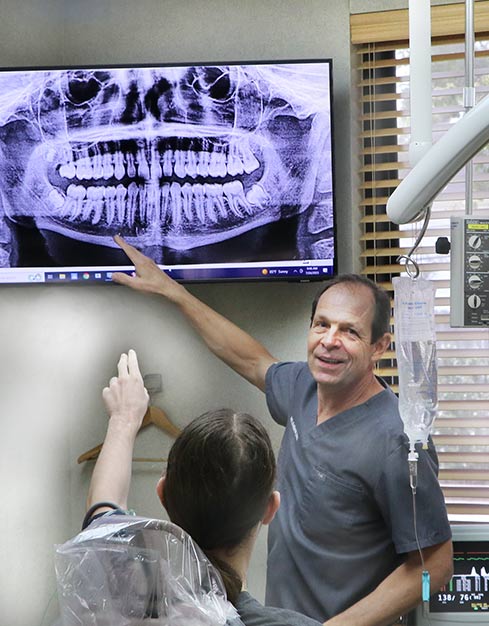





Wisdom tooth removal matters because most patients simply don’t have enough room in the jaw for these third molars to erupt properly, and that lack of space is what causes the pain, swelling, and decay we see in wisdom teeth patients here in West Houston, TX. Wisdom teeth develop in the very back of the mouth, behind the second molars, and when they’re impacted or only partially erupt through the gum tissue, they commonly cause discomfort in teenagers and young adults.
That lack of room creates a few specific problems beyond temporary soreness:
Frequently, I recommend wisdom tooth removal to prevent that kind of damage to the adjacent teeth and gums before it starts. The ideal time to examine third molar development is between ages 14 and 19, since early check-ups can simplify any treatment that’s needed down the road.
Patients choose Roman Dental for wisdom tooth extractions because we accept dental insurance, I handle every extraction in-house, and I offer sedation dentistry for anxious patients, all here in West Houston, TX.
With or without dental insurance, we go over the cost and payment options before treatment begins.
Easy scheduling, comfortable care and services delivered by a talented and experienced team.
Beyond local anesthetics, nitrous oxide, oral sedation, and IV sedation are provided for comfort.
EXCELLENT Based on 508 reviews
 Posted on Google
 Alexander GutierrezDoc is Rock star. Cool Calm Confident Quick. I was so happy he made my front chipped tooth PERFECT. Thank You!Posted on Google
 Sherri Ann CarrollI love this dentists office. The ladies working in the office are very curious and so very very nice. The doc is a hoot and he gives it to you straight. I feel comfortable and at ease with them.Posted on Google
 Nazila HensleyExcellent dental care. Very attentive staff. Amazing dentist.Posted on Google
 Danny FI recently made the decision to switch dental offices to Roman Dental and I do not regret it. Rebecca the hygienist who treated me was great, very thorough and friendly. The doctor took his time to do his exam and explain everything.Posted on Google
 Herbert EilenderI have been a patient of Dr. Kotlarek for many years and I am always very satisfied with the procedures. Danielle EilenderPosted on Google
 Cyndi SaenzThis is the best dental clinic. The doctor and his staff are amazing and professional. I would not go anywhere else!! I have been a patient for many years!Posted on Google
 Cheryl OceaniLove the entire staff, kind gentle and always a pleasure visiting them. They even watched my son while I was being worked on. Thank you all
Wisdom teeth that are impacted, crowded, or causing pain rarely get better on their own. Our West Houston wisdom tooth dentist, Dr. Roman Kotlarek, performs simple and surgical extractions in-house, with sedation options available for anxious patients.
Wisdom teeth are your last set of teeth to grow in, emerging between ages 16 and 25. You can be born with none, one, two, three, or all four wisdom teeth, depending on your genetics. During your teenage years, I can typically spot developing wisdom teeth on an X-ray and monitor whether they’re impacted below the gumline, growing in sideways, or have enough room to erupt normally.
Wisdom teeth typically need to be extracted when there isn’t enough room in the jaw for them to erupt properly, or when they’re impacted or growing in sideways. Left untreated, these issues can lead to infection, jaw damage, or damage to the tooth next to them.
Common signs it’s time for extraction include:
Removing your third molars when these signs appear helps you avoid more involved oral treatment down the road.
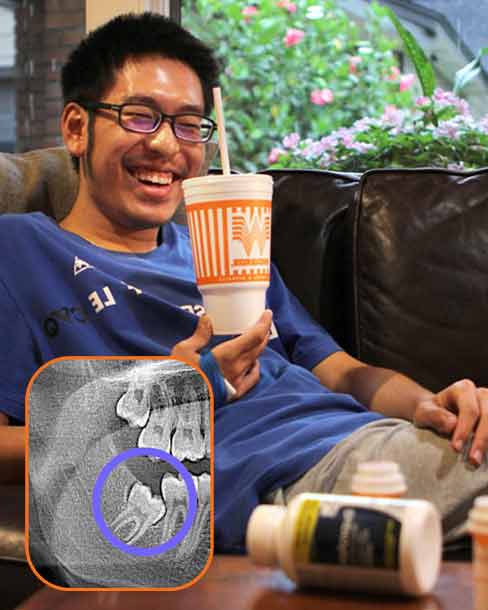
The main benefit of wisdom tooth extraction is preventing problems before they start: removing a crowded or impacted wisdom tooth protects the tooth next to it, lowers your risk of cysts forming around an impacted tooth, and comes with fewer complications when done before age 25.
Removing a wisdom tooth at the right time offers several advantages:
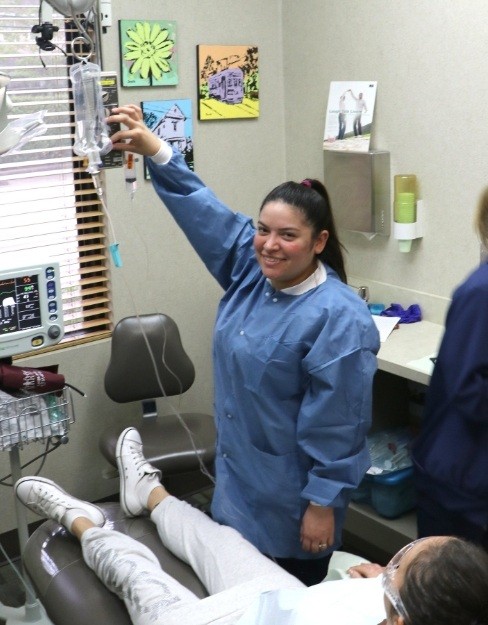
The wisdom tooth extraction process starts with IV sedation for most patients; this makes the procedure comfortable and memory-free. Because most third molars are impacted beneath the gum tissue, the tooth is surgically exposed, elevated out of its position in the mouth and then sutures are placed to speed the healing. Medication are delivered intravenously during surgery to minimize discomfort and inflammation.
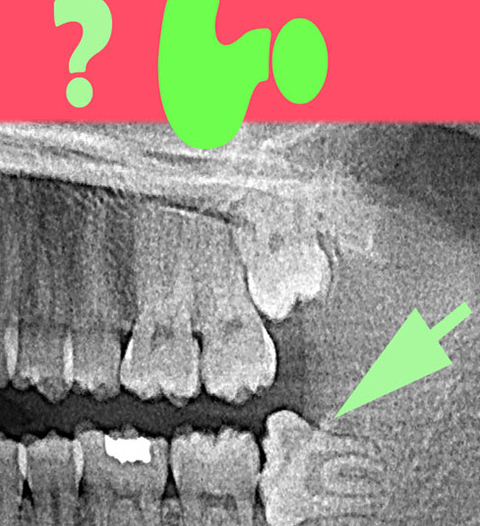
Recovery from wisdom tooth extraction can take anywhere from one days to two weeks, depending on whether you had a surgical or simple extraction. While the extraction site takes six weeks to fully close and heal, you’ll need to maintain a soft diet and follow other precautions for the few first days to insure a quick recovery period.
You should get your wisdom teeth evaluated between ages 14 and 19, and I generally recommend removal before age 25 if they’re impacted or causing problems, since recovery tends to be faster and complications are less common at a younger age. Waiting longer doesn’t mean you’re out of options, but it’s best not to put it off once discomfort or crowding starts.
Getting your wisdom teeth removed shouldn’t hurt, because I numb your mouth before starting and provide dental sedation if necessary to keep you comfortable through the process. While you may experience some bleeding and discomfort after your procedure, know that this is a natural part of healing. If the pain becomes worse instead of getting better, please call our office.
You can prepare for your wisdom tooth extraction with a few simple steps. Arrange for a trusted friend or family member to drop you off and pick you up from your appointment, and stock up on soft foods and hydrating liquids for your recovery. Wear comfortable clothes to your appointment, and if you’re receiving IV sedation, choose a short sleeve shirt or one you can easily roll up. It’s also a good idea to avoid smoking or using tobacco products before and after your treatment.
The signs that your wisdom teeth need to be removed include pain at the back of your mouth, swelling around the jaw, red or swollen gums, bad breath, and difficulty opening your mouth. Wisdom teeth usually emerge between the ages of 16 and 25, so these symptoms tend to show up in that age range. If you experience these symptoms, schedule a consultation with me at Roman Dental, and I’ll help you determine if extraction is necessary.
Yes, wisdom teeth can cause sinus issues. The upper wisdom teeth are located close to the sinuses, and when these teeth become impacted or grow improperly, they can place pressure on the sinuses. This can lead to pain, headaches, and congestion. If you notice sinus problems coinciding with wisdom tooth discomfort, the two issues might be related.
Yes, there are risks to not removing impacted wisdom teeth, including damage to adjacent teeth, cyst formation, infections, and gum disease.
No, wisdom teeth do not grow back once they are removed. After extraction, the site heals, and the bone eventually fills in the space where the tooth was located.
A dry socket (alveolar osteitis) occurs when the blood clot at the extraction site doesn’t develop, dissolves, or becomes dislodged, exposing the underlying bone and nerves, which can lead to severe pain, delayed healing, and infection. You can prevent dry sockets by avoiding straws and smoking, since both can dislodge the clot, gently rinsing with a saline solution as directed, and sticking to soft foods that don’t require chewing near the extraction site.
You can manage swelling after wisdom tooth extraction with a few simple steps, since swelling is common and usually peaks within 48 hours. Apply an ice pack for 20 minutes on and 20 minutes off during the first 24 hours, then switch to warm compresses to continue reducing swelling. Keeping your head elevated when lying down, avoiding strenuous activity, and using over-the-counter pain relievers or anti-inflammatory medication can also help.
Address:
14535 Memorial Dr, Houston, TX 77079
Phone Number:
(281) 920-4200
Email:
info@romandental.com
Monday - Thursday: 8am - 5pm
Friday: 8am - 2pm
Address:
14535 Memorial Dr, Houston, TX 77079
Phone Number:
(281) 920-4200
Email:
info@romandental.com

Monday - Thursday: 8am - 5pm
Friday: 8am - 2pm
14535 Memorial Dr, Houston, TX 77079
Monday - Thursday: 8am - 5pm
Friday: 8am - 2pm