
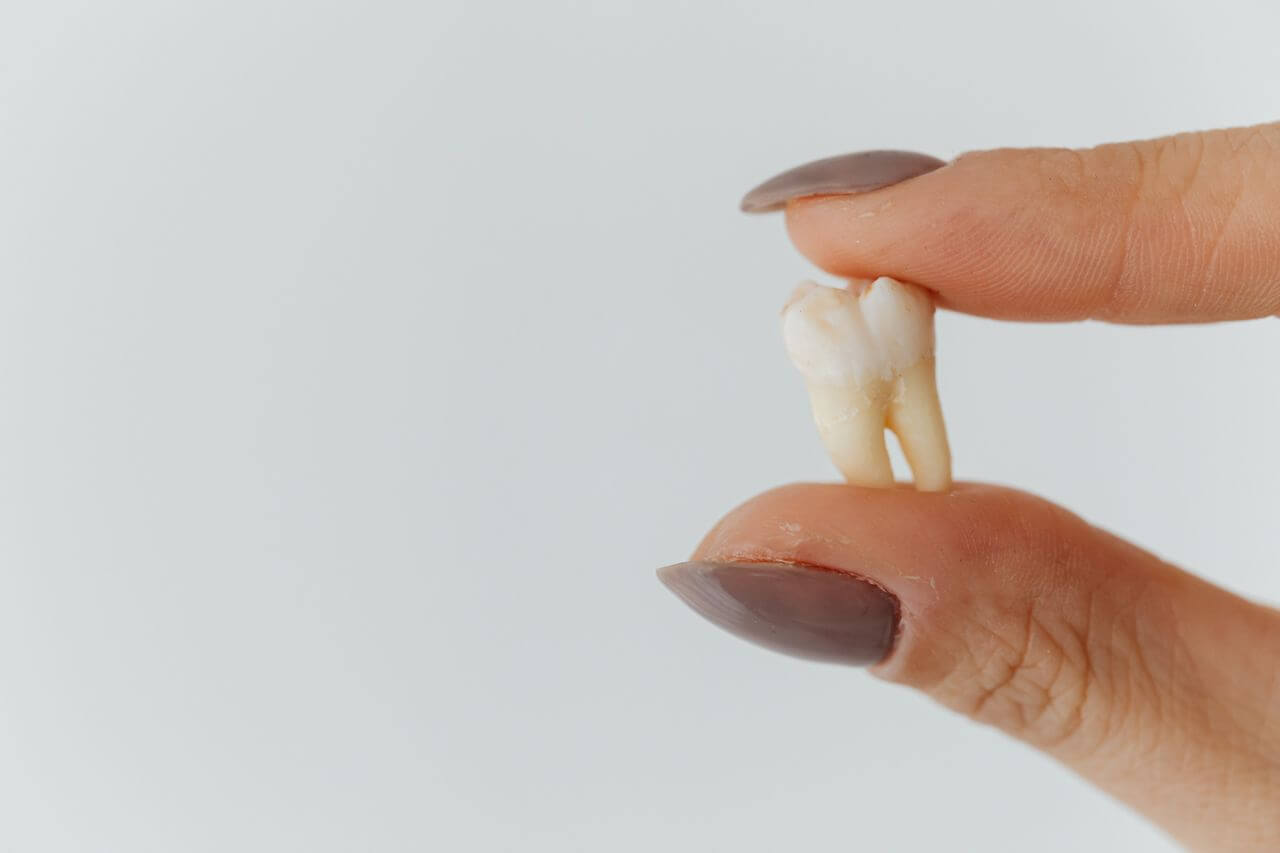
Wisdom tooth extraction is the removal of one or more third molars, the last teeth to come in at the back of your mouth, usually between ages 17 and 25.
Not everyone needs the procedure, but impacted wisdom teeth are common. A worldwide review found about 37% of people have at least one impacted third molar. Pain, crowding, infection, and damage to neighboring teeth are the usual reasons they come out. In my West Houston practice, most patients who plan to wait it out find the same thing: the longer they wait, the more involved the extraction becomes.
In this post, I’ll walk you through what the extraction involves, how to know when it’s time to act, and what recovery looks like, so you feel prepared at every step.
Key Takeaways
- Impacted third molars affect roughly 37 percent of adults worldwide.
- Removing them early is generally easier because the tooth roots are not fully developed.
- The extraction is a straightforward in-office procedure that usually takes under an hour.
- Most patients can comfortably return to light activities within two to three days.
Why Do Wisdom Teeth Cause Problems in the First Place?
Wisdom teeth cause problems primarily because the modern human jaw does not have enough room for them. Our ancient ancestors had larger jaws and consumed a coarser diet that wore their teeth down, leaving adequate space for these back molars. Most of us no longer have that space, so wisdom teeth often become impacted or erupt at an angle.
When a tooth cannot fully break through the gum, it is called an impacted wisdom tooth. Impacted teeth can push on neighboring molars, form cysts, or create deep pockets where bacteria collect and infection sets in. Lower wisdom teeth are the ones most likely to become impacted. You might notice pressure at the back of your jaw, swelling near the gums, or soreness that comes and goes. Those are all strong indicators that you should have the area checked sooner rather than later.
What Are the Signs You Need a Wisdom Tooth Extraction?
The most common signs you may need a wisdom tooth extraction include persistent jaw pain, swollen gums, sudden crowding of your teeth, a recurring bad taste in your mouth, and trouble opening your jaw. Because not every wisdom tooth has to come out, I evaluate each patient individually with digital X-rays and a clinical exam before recommending removal.
Watch for these common signs that it is time to have your wisdom teeth assessed:
- Persistent jaw pain or pressure: Aching or pressure deep at the back of your jaw, especially on one side, often points to a wisdom tooth pressing on surrounding structures.
- Swollen or bleeding gums: Gum tissue around a partially erupted tooth is easy for bacteria to reach, so infection and inflammation are common there.
- Sudden crowding of front teeth: If your teeth seem to shift or crowd in adulthood, emerging wisdom teeth may be adding pressure to your alignment.
- Recurring bad breath or bad taste: A lingering bad taste or odor near the back of your mouth can signal a pocket of bacteria around an impacted tooth.
- Difficulty opening your mouth: When swelling or infection reaches the jaw muscles, it can limit how wide you can open.
What Happens During a Wisdom Tooth Extraction?
A wisdom tooth extraction is an in-office procedure where the tooth is gently loosened and lifted from its socket. Depending on its position, it may be removed in one piece or sectioned into smaller pieces. The process is much more straightforward than most patients expect, especially when it is done before the tooth roots are fully developed.
Here is the general sequence when you come in for the procedure:
- Numbing the area: I apply local anesthesia so you do not feel any pain during the removal. I also go over sedation options with anyone who feels anxious because your comfort always comes first.
- Opening the site: If the tooth is impacted below the gum line, I make a small incision to reach it. For teeth that have already partially erupted, this step is often unnecessary.
- Removing the tooth: I gently rock the tooth to widen the socket and then lift it out. Impacted teeth are sometimes divided into smaller sections to make the removal much easier on your surrounding tissue.
- Cleaning and closing: I clean the socket and place stitches if needed. I then pack gauze over the site to help a blood clot form, which is a critical part of the healing process.
The procedure usually takes 20 to 60 minutes depending on how many teeth are removed and how they are positioned. I walk every patient through the exact plan before we begin so there are no surprises in the chair.
Simple vs. surgical extraction: what’s the difference?
A simple extraction involves a tooth that has already broken through the gum and can be removed without an incision. A surgical extraction is required when the tooth is still below the surface or positioned at a difficult angle. Most wisdom tooth extractions are surgical, but that does not mean recovery is dramatically harder. It simply means the procedure takes a bit more precision on my end.
What Does Recovery After Wisdom Tooth Removal Look Like?
Recovery after wisdom tooth removal usually allows you to return to light activity within two to three days. Full healing takes about one to two weeks. What you do in the first 48 hours has the absolute biggest effect on how smoothly your recovery goes.
The table below gives you a realistic picture of each stage:
| Recovery stage | What to expect | What to avoid |
| Day 1 | Bleeding, swelling, numbness wearing off | Spitting, straws, hot drinks, physical activity |
| Days 2 to 3 | Swelling peaks, some bruising possible, soreness | Hard or crunchy foods, smoking, alcohol |
| Days 4 to 7 | Swelling eases, eating gets easier, energy returns | Vigorous rinsing, foods that could dislodge the clot |
| Week 2 | Most soreness gone, gum tissue healing | Hard or sharp foods near the extraction site |
Recovery timelines vary with age, the number of teeth removed, and your overall health. I give every patient aftercare instructions tailored to their specific procedure.
What is dry socket and how do I avoid it?
Dry socket is when the blood clot over the extraction site comes loose or dissolves too early, exposing bone and nerve. It’s the most common complication after wisdom tooth removal, affecting about 3% of routine extractions and climbing above 30% for impacted lower wisdom teeth. Avoiding straws, smoking, and hard rinsing for the first few days lowers your risk a lot. If a sharp, throbbing pain shows up a few days after your extraction, call me right away so I can treat it quickly.
When Should You Call After a Wisdom Tooth Extraction?
You should call your dentist after a wisdom tooth extraction if you develop a fever, experience bleeding that will not slow down with gauze pressure, have pain that worsens after the third day, or notice swelling spreading toward your neck or eye. Some discomfort is completely normal, but these specific symptoms are urgent and should not wait. For my patients in the Houston area, contacting me early always leads to a better outcome than hoping the issue settles on its own.
Wisdom Tooth Extraction at Roman Dental in West Houston
Wisdom tooth extraction is a routine procedure that gets much easier once you know what to expect. Being informed about the early signs and understanding the recovery window takes most of the stress out of the process. At Roman Dental, I take the time to review your X-rays, explain your options in plain language, and make sure you leave confident about your treatment plan.
If you are in West Houston or a nearby community like Katy or Memorial and have been putting off a wisdom tooth extraction, I would like to take a look before it becomes an emergency. Call Roman Dental at (281) 920-4200 or book a consultation online. I will review your X-rays, answer all your questions, and give you a clear next step for your oral health.
Frequently Asked Questions
What is wisdom tooth extraction and is it always necessary?
Wisdom tooth extraction is the removal of your third molars, the last teeth to come in during your late teens or early twenties. It isn’t always necessary, but I recommend it when the teeth are impacted, causing pain, leading to infection, or crowding your other teeth. Some people have enough room and never need it, which is why an exam with X-rays is the only way to know for sure.
How do I know if my wisdom teeth need to come out?
You may need your wisdom teeth removed if you have persistent jaw pain, swelling at the back of your gums, recurring infections, or shifting in your other teeth. Sometimes there are no obvious symptoms and the issue only shows up on an X-ray, which is why routine visits matter, especially during your late teens and twenties when wisdom teeth are most active.
Does wisdom tooth extraction hurt?
Wisdom tooth extraction itself shouldn’t hurt, because I fully numb the area before starting. You may feel pressure or movement during the removal, but not pain. Some soreness and swelling in the days afterward are normal and manageable with over-the-counter pain relievers and ice. Most patients are surprised by how tolerable the recovery is.
How long does recovery from wisdom tooth extraction take?
Recovery from wisdom tooth extraction usually takes one to two weeks. Most people feel well enough for light activity within two to three days. The first 48 hours bring the most swelling and discomfort, and following your aftercare instructions closely during that window makes the biggest difference in how quickly you heal.
Can I eat normally after having my wisdom teeth removed?
You’ll need to stick to soft foods for the first several days after wisdom tooth extraction. Good options include yogurt, mashed potatoes, scrambled eggs, broth, and smoothies. Avoid anything hard, crunchy, or sticky until the site has healed enough that chewing won’t disturb it. Most patients are back to a fairly normal diet within a week.
Is it safe to have all four wisdom teeth removed at once?
Removing all four wisdom teeth in one appointment is common and often preferred, because it means a single recovery period instead of several. Whether it’s right for you depends on the position of your teeth, your overall health, and your comfort level, and I’ll go over the options with you here in West Houston before we settle on a plan.
What happens if I leave an impacted wisdom tooth untreated?
Leaving an impacted wisdom tooth untreated can lead to infection, cysts, damage to the roots of neighboring teeth, and a harder extraction later. Removal tends to be simpler and heals faster when it’s done before the roots fully mature, usually before age 25. Waiting until the pain is severe often means a more involved procedure than it would have been with earlier care.