
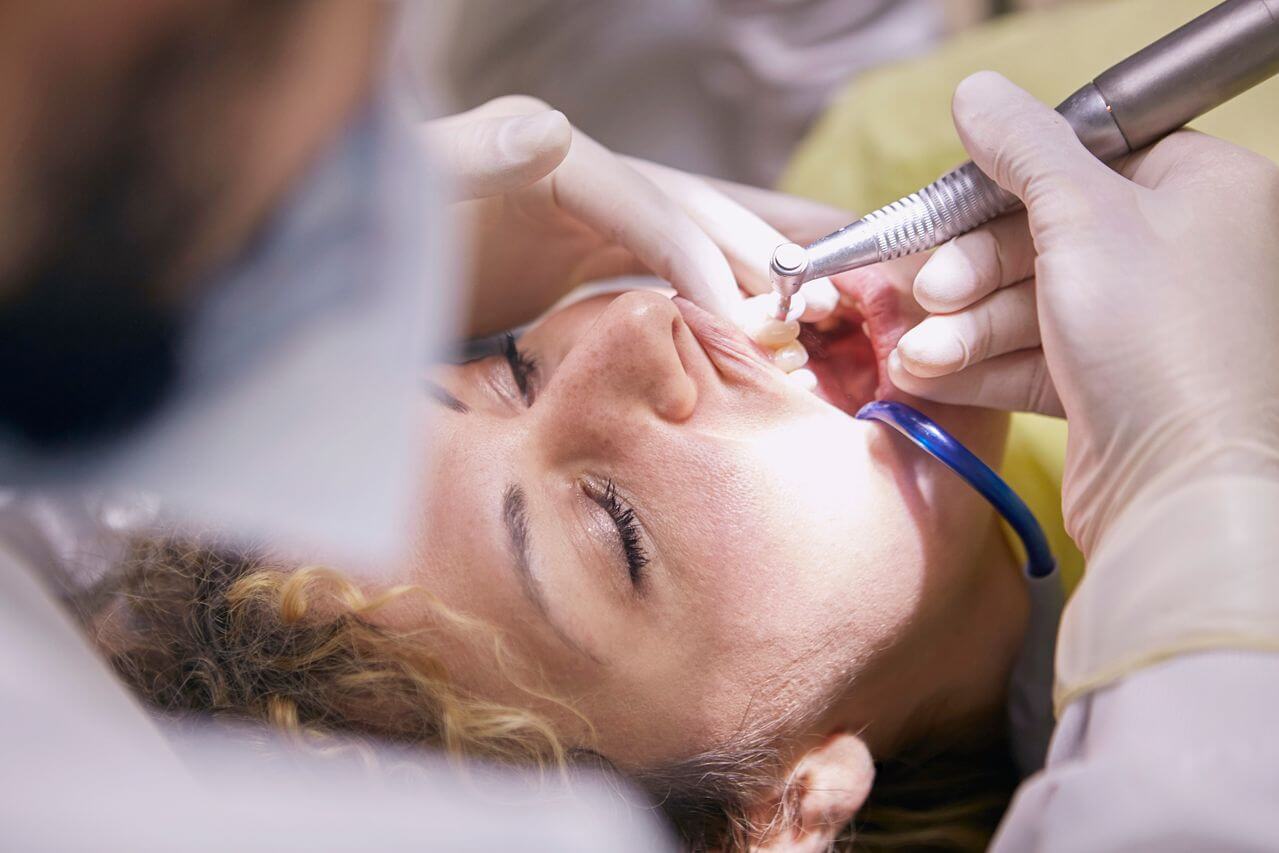
A dental cleaning is a professional procedure where a dental hygienist removes plaque, tartar, and surface stains that brushing and flossing at home simply can’t reach. Most appointments take 45 to 60 minutes, and they’re one of the most effective things you can do to protect your teeth and gums long-term.
Here in West Houston, I see patients every week who haven’t had a cleaning in years, usually because they’re not sure what to expect or worry it’ll be uncomfortable. According to the CDC, about 4 in 10 adults 30 and older have some level of gum disease, a condition routine cleanings can prevent or catch early. Skipping your cleaning doesn’t save you discomfort. It usually just delays it.
In this post, I’ll walk you through exactly what happens during a cleaning at Roman Dental, why each step matters, and how often you should come in based on your own situation.
Key Takeaways
- A cleaning follows five steps: exam, scaling, polishing, flossing, and sometimes fluoride, and takes about 45 to 60 minutes.
- Most adults need a cleaning every six months, though gum disease, smoking, or diabetes can mean every three to four months.
- Gum disease often causes no pain early on, which is exactly why routine cleanings matter.
- Cleanings get more comfortable, not less, the more consistently you keep them.
- Most dental insurance covers two routine cleanings a year at little or no out-of-pocket cost.
What Happens During a Dental Cleaning?
During a dental cleaning, a hygienist works through five steps designed to remove buildup, check for problems, and leave your teeth feeling smooth. Knowing what each one does tends to make the whole appointment feel more comfortable.
Step 1: A quick exam.
Before anything else, the hygienist checks your mouth for visible signs of concern, like inflamed gums, early cavities, or unusual spots on the soft tissue. This makes sure the cleaning itself is safe and appropriate for where your oral health stands right now. If something stands out, I review it with you before we move forward.
Step 2: Scaling and tartar removal.
Scaling is where the hygienist uses a small tool or an ultrasonic scaler to remove tartar (hardened plaque) from your teeth and just below the gumline. Plaque left in place hardens into tartar, and once it does, no amount of brushing at home will remove it. This step can feel like light scraping, which is completely normal.
Step 3: Polishing.
After scaling, the hygienist uses a slightly gritty paste and a rotating brush to polish your teeth. This removes surface stains and smooths the enamel, making it harder for new plaque to stick. Patients often say this is their favorite part because of how clean their teeth feel right after.
Step 4: Flossing.
Professional flossing reaches deeper between your teeth than most people manage at home, and it lets the hygienist spot areas where your gums bleed easily, a reliable early sign of inflammation.
Step 5: Fluoride treatment, when it applies.
Depending on your age, cavity risk, and overall oral health, I may recommend fluoride at the end of your cleaning. It strengthens enamel and helps protect against decay between visits, and it only takes about a minute, usually a gel or foam applied in a tray.
Why Dental Cleanings Matter Beyond Just Clean Teeth
Dental cleanings matter beyond clean teeth because they give me a consistent window into your overall oral health, so small problems get caught before they turn into expensive ones. Gum disease, for example, usually doesn’t cause pain in its early stages, which is exactly why so many people don’t realize they have it until real damage has already occurred.
For a lot of West Houston patients, a busy schedule is the real barrier. I hear it often: “I kept meaning to come in.” The trouble is that plaque doesn’t wait for a convenient week. It starts forming on your teeth within hours of eating, and once it hardens into tartar, only a professional cleaning can remove it. Routine appointments keep that cycle from getting ahead of you.
How Often Should You Get a Dental Cleaning
Most patients should get a dental cleaning every six months, though your ideal frequency depends on your own oral health. Some people need more frequent visits, and others do fine with once a year if their home care is solid and their risk factors are low.
Here’s the general guide I use with my patients at Roman Dental.
| Patient Profile | Recommended Frequency |
| Healthy with good home care | Every 6 months |
| History of gum disease | Every 3 to 4 months |
| Smoker or tobacco user | Every 3 to 4 months |
| Diabetic patients | Every 3 to 4 months |
| Orthodontic patients | Every 3 to 6 months |
This table reflects general guidance. Your specific recommendation may vary based on a full exam at Roman Dental.
What Makes a Dental Cleaning Uncomfortable (and How We Minimize It)
A dental cleaning usually feels uncomfortable because of tartar buildup near the gumline or existing gum inflammation, not the cleaning process itself. The more consistently you come in, the less buildup there is, and the more comfortable each visit tends to be. Patients who come in every six months almost universally report easier appointments than those returning after two or three years.
We take our time with patients who have dental anxiety. If you’re nervous about a cleaning, the best thing you can do is tell my team before the appointment starts. We can walk you through each step, take breaks if needed, and use a topical numbing gel on sensitive areas when it helps. If sedation is a better fit for a more involved visit, I offer that option too.
What Should You Do Between Dental Cleanings?
Between dental cleanings, your daily habits decide how much buildup collects and how your next visit goes. A strong home care routine means less buildup, healthier gums, and a faster appointment. Here’s what I recommend to every patient.
- Brush twice daily: Use a soft-bristled toothbrush and fluoride toothpaste for two full minutes each time. Electric toothbrushes tend to remove plaque along the gumline more effectively.
- Floss every day: Flossing clears food and plaque from between your teeth where a toothbrush can’t reach. Once a day is enough if you’re consistent about it.
- Drink water after meals: Water rinses away food particles and reduces the acidity in your mouth, which slows enamel erosion over time.
- Limit sugary and acidic drinks: Soda, sports drinks, and fruit juice feed the bacteria that create plaque. Cutting back between meals gives your enamel a better chance.
- Don’t skip follow-up appointments: If I flag something at your cleaning, even a small spot to watch, that follow-up matters. Acting early almost always costs less and hurts less than waiting.
Ready to Schedule Your Dental Cleaning in West Houston?
Getting a dental cleaning is one of the simplest, most effective ways to stay ahead of oral health problems before they turn painful or expensive. It comes down to five steps, roughly an hour, and a schedule that fits your personal risk factors, whether that’s every six months or something closer to every three.
I’m Dr. Kotlarek, and my team at Roman Dental is ready to make your next cleaning straightforward and comfortable, whether it’s been six months or six years since your last one. With two hygienists on staff, I can usually get you a same-week appointment.
Call (281) 920-4200 or schedule online to book your visit. I see patients throughout West Houston, including Katy, Memorial, and the Energy Corridor.
Frequently Asked Questions
What is a dental cleaning and is it different from a regular checkup?
A dental cleaning is a professional procedure that removes plaque, tartar, and surface stains from your teeth. A regular checkup is the exam portion, where I evaluate your teeth, gums, bite, and sometimes take X-rays. The two often happen at the same appointment, but they’re separate procedures, and some insurance plans cover them separately.
Does a dental cleaning hurt?
A dental cleaning shouldn’t be painful, though some patients feel sensitivity, especially with significant tartar buildup near the gumline or active gum inflammation. That discomfort tends to ease with each visit once you’re coming in regularly. If you have a low pain threshold, tell my team before the appointment so we can keep you comfortable.
How long does a dental cleaning take at Roman Dental?
Most dental cleaning appointments at Roman Dental take 45 minutes to an hour. If you’re also having X-rays or a full exam the same day, plan closer to 90 minutes. I’ll always give you a realistic time estimate when you book.
How often do West Houston patients need a dental cleaning?
Most West Houston patients do well with a cleaning every six months. If you have a history of gum disease, use tobacco, or manage a condition like diabetes, I typically recommend every three to four months instead. The right interval comes down to a full evaluation of your history.
Is a dental cleaning covered by insurance?
Most dental insurance plans cover two routine cleanings a year at little or no out-of-pocket cost. If you need more frequent cleanings for gum disease, coverage varies by plan. My team can help you understand your benefits before your appointment so there are no surprises.
What is the difference between a routine cleaning and a deep cleaning?
A routine cleaning, also called a prophylaxis, is preventive care for patients with generally healthy gums. A deep cleaning, or scaling and root planing, treats gum disease by removing tartar below the gumline, down at the root surfaces. If I see signs of gum disease at your exam, I’ll walk you through the difference and what I recommend for your situation.
What should I do to prepare for my dental cleaning appointment?
There’s not much to prepare. Brush and floss before you arrive as you normally would. If you have dental anxiety, it helps to mention it in advance so my team can plan accordingly. Bring your insurance card if your plan is new or has changed, and let the front desk know about any updates to your medications or health history since your last visit.