
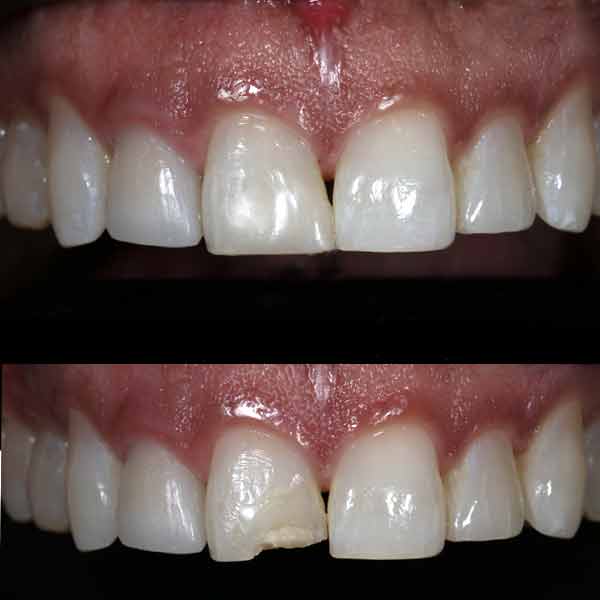
Dental bonding is a cosmetic procedure where a tooth-colored composite resin is applied to a tooth, shaped, and hardened with a curing light to fix chips, cracks, gaps, or discoloration, usually in a single office visit lasting 30 to 60 minutes per tooth. It’s one of the least expensive and least invasive ways to change how a tooth looks, since it typically requires no enamel removal and no anesthesia.
At Roman Dental in West Houston, bonding comes up constantly during cosmetic consultations. Patients are often surprised that a chipped or gapped tooth they’ve lived with for years can be corrected the same day, without numbing or a follow-up visit.
Key Takeaways
- Dental bonding repairs chips, cracks, gaps, discoloration, and short or uneven teeth using tooth-colored composite resin.
- The procedure takes 30 to 60 minutes per tooth, is usually painless, and doesn’t require anesthesia.
- Bonding typically lasts 3 to 10 years, compared to 10 to 20 years for porcelain veneers.
- The national average cost is $431 per tooth, with most cases falling between $288 and $915.
- Bonding is reversible and requires no enamel removal, while veneers are permanent and involve light enamel prep.
How Dental Bonding Works
Dental bonding works by applying composite resin directly to the tooth, then shaping and polishing it to match the surrounding teeth. The dentist lightly roughens the tooth surface, applies a conditioning liquid to ensure the resin adheres, then layers the resin, sculpts it by hand, and cures each layer with a curing light in seconds.
I hear a lot of surprise from patients at how quick and painless the process is. Most people don’t need numbing at all, since bonding rarely involves work near a nerve. You can walk in with a chipped tooth and walk out the same day with a tooth that looks whole again.
What Dental Bonding Can Fix
Dental bonding works best on smaller cosmetic issues where the tooth underneath is healthy. Here’s what it addresses well.
- Chipped or cracked teeth: Resin rebuilds the missing portion and is color-matched to blend with the rest of the tooth.
- Gaps between teeth: Bonding closes small spaces without orthodontic treatment, which appeals to patients who want a faster result.
- Discoloration or staining: Teeth with intrinsic staining that whitening can’t fully correct can be covered with bonding resin.
- Short or uneven teeth: Bonding can build up a tooth that’s noticeably shorter than its neighbors to balance the smile line.
- Exposed tooth roots: When gum recession exposes a root, bonding can add a protective layer and improve the appearance.
Bonding isn’t the right call for every case. Teeth that need significant structural support, or patients who grind heavily, are usually better served by a crown or another restorative option. I go over that with every patient before we move forward.
How Long Does Dental Bonding Last
Dental bonding typically lasts three to ten years, and porcelain veneers last ten to twenty years, depending on materials and how well the restoration is cared for. Molars and other teeth that absorb more bite force tend to wear faster than front teeth, and habits like biting nails, chewing ice, or opening packages with your teeth will shorten bonding’s lifespan.
I always ask West Houston patients who grind their teeth at night to mention it before bonding goes in. A night guard protects both natural enamel and bonded teeth, and with good home care and regular cleanings, most patients get years of use before any touch-up is needed.
Dental Bonding vs. Veneers: How to Choose
Dental bonding and veneers both improve the look of your teeth, but they solve different problems. The table below breaks down the differences.
| Factor | Dental Bonding | Veneers |
| Material | Composite resin | Porcelain |
| Visits needed | One | Two to three |
| Tooth prep | Minimal to none | Light enamel removal |
| Lifespan | 3 to 10 years | 10 to 20 years |
| Stain resistance | Moderate | High |
| Average cost per tooth | $431 (range $288–$915) | $1,817 |
| Reversible | Yes | No |
| Best for | Single tooth repairs, budget-conscious cases | Full smile makeovers, longer-term results |
Cost and lifespan figures reflect national averages from CareCredit and Cleveland Clinic, not a quote from Roman Dental. Contact us directly for a personalized estimate.
Bonding is a solid starting point if you want to improve one or two teeth without a major commitment. Veneers make more sense when you want a longer-lasting, more uniform result across several teeth. In my West Houston practice, some patients start with bonding and move to veneers later once they know exactly what they want. Neither path is the wrong one.
What to Expect at Your Dental Bonding Appointment
Your appointment starts with a short conversation about what’s bothering you and what result you want. From there, the process is straightforward: the tooth is cleaned, lightly etched, and primed, the resin is matched to your natural shade and applied in thin layers, and each layer is cured before the next goes on. Once the shape is right, the tooth is polished until it blends in.
Most West Houston patients come in on a lunch break and leave with no recovery time needed. There’s no swelling, and nothing to avoid eating afterward, aside from dark-colored foods and drinks for the first 48 hours, since the resin can absorb pigment while it’s still settling.
Is Dental Bonding Covered by Insurance
Dental bonding is sometimes covered when it’s done for functional reasons, like repairing a tooth broken in an injury, but it’s typically not covered when it’s purely cosmetic. Coverage depends entirely on your specific plan and the reason for treatment. Before your appointment, it helps to call your insurance provider and ask whether composite bonding is covered and what documentation they’ll need from our office.
I’m happy to help patients understand their benefits and work through payment options that fit their budget. Cosmetic care shouldn’t feel out of reach.
Your Next Step Toward a Better Smile
Dental bonding is one of the simplest, most affordable ways to fix a tooth that’s been bothering you, with real results in a single visit. Whether it’s a chip you’ve been ignoring for years or a gap you’ve always wanted closed, it’s a low-commitment way to make a real change without altering your natural tooth structure.
If you’re in West Houston and want to know whether dental bonding is right for your smile, I’d be glad to take a look and give you a straight answer. Call Roman Dental at (281) 920-4200 or book online to set up a consultation.
Frequently Asked Questions
What is dental bonding used for?
Dental bonding is used to repair chipped, cracked, discolored, or gapped teeth with a tooth-colored composite resin applied directly to the tooth and hardened with a curing light. It’s one of the most common cosmetic dental procedures in West Houston because it’s fast, affordable, and doesn’t require removing enamel.
How long does dental bonding last in Houston?
Dental bonding in Houston generally lasts three to ten years. The lifespan depends on which teeth are bonded, how much bite pressure they take, and how well you maintain your oral hygiene. Patients who grind their teeth may see shorter results without a night guard, and I recommend regular checkups so any wear gets caught early.
Does dental bonding hurt?
Dental bonding doesn’t hurt for most patients. The procedure rarely requires anesthesia since it’s usually done away from the nerve. Most people describe it as quick and comfortable, similar to a routine cleaning, with no recovery period needed afterward.
How much does dental bonding cost in West Houston?
Dental bonding nationally averages $431 per tooth, with most cases falling between $288 and $915. The final price depends on how much work is involved and which tooth is treated. Cosmetic bonding usually isn’t covered by insurance, but I can help you check whether your plan covers bonding done for functional repairs. Contact Roman Dental directly for an accurate estimate.
What is the difference between dental bonding and veneers?
The difference between dental bonding and veneers comes down to material, durability, and how much of the tooth is involved. Bonding uses composite resin applied directly to the tooth in a single visit without altering the tooth structure. Veneers are thin porcelain shells that require light enamel removal and two to three visits, but they last longer and resist staining better. I recommend bonding for single-tooth repairs and veneers for patients wanting a longer-lasting, full-smile result.
Can dental bonding fix a gap in my front teeth?
Dental bonding can close a gap between front teeth without braces or aligners. Resin is added to the sides of the teeth bordering the gap and shaped until the space disappears, often in a single West Houston appointment. The result looks natural when the shade and texture are matched carefully to your surrounding teeth.
How do I take care of bonded teeth?
Taking care of bonded teeth involves the same habits that protect your natural teeth. Brush twice a day, floss daily, and keep up with regular cleanings. Avoid biting hard objects like ice, pens, or fingernails, since composite resin can chip under pressure, and stay away from dark beverages like coffee, red wine, and tea for the first 48 hours after bonding is placed. With proper care, bonded teeth can look great for years before needing a touch-up.