Avoiding the dentist out of fear lets a small cavity turn into an extraction or a root canal. At Roman Dental, we offer IV sedation in West Houston, TX, so you stay relaxed through treatment, remember little of it, and are monitored from start to finish.






Dr. Kotlarek is a member of the American Dental Society of Anesthesia, a national organization focused on safe sedation and anesthesia in dentistry. Roman Dental has treated patients in West Houston since 1999.
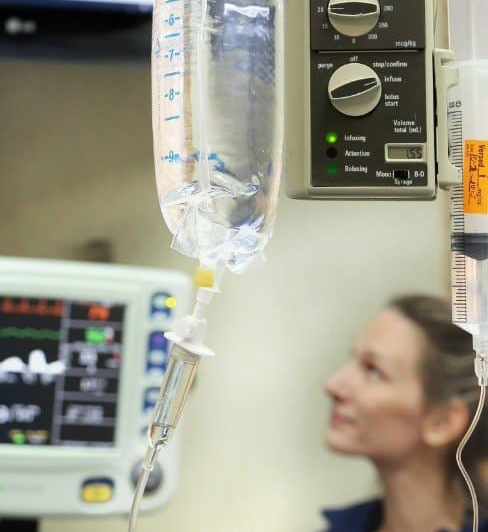
From the moment the IV is placed until you are ready to leave, we track your heart rate, EKG, blood pressure, capnography (the carbon dioxide in each breath), and blood oxygen level.
Extractions, surgical wisdom tooth removal, and implant placement are all performed in our Energy Corridor office, so IV sedation doesn’t mean a referral to another practice or a second consultation.
EXCELLENT Based on 508 reviews
 Posted on Google

 Alexander GutierrezDoc is Rock star. Cool Calm Confident Quick. I was so happy he made my front chipped tooth PERFECT. Thank You!Posted on Google
 Sherri Ann CarrollI love this dentists office. The ladies working in the office are very curious and so very very nice. The doc is a hoot and he gives it to you straight. I feel comfortable and at ease with them.Posted on Google
 Nazila HensleyExcellent dental care. Very attentive staff. Amazing dentist.Posted on Google
 Danny FI recently made the decision to switch dental offices to Roman Dental and I do not regret it. Rebecca the hygienist who treated me was great, very thorough and friendly. The doctor took his time to do his exam and explain everything.Posted on Google
 Herbert EilenderI have been a patient of Dr. Kotlarek for many years and I am always very satisfied with the procedures. Danielle EilenderPosted on Google
 Cyndi SaenzThis is the best dental clinic. The doctor and his staff are amazing and professional. I would not go anywhere else!! I have been a patient for many years!Posted on Google
 Cheryl OceaniLove the entire staff, kind gentle and always a pleasure visiting them. They even watched my son while I was being worked on. Thank you all
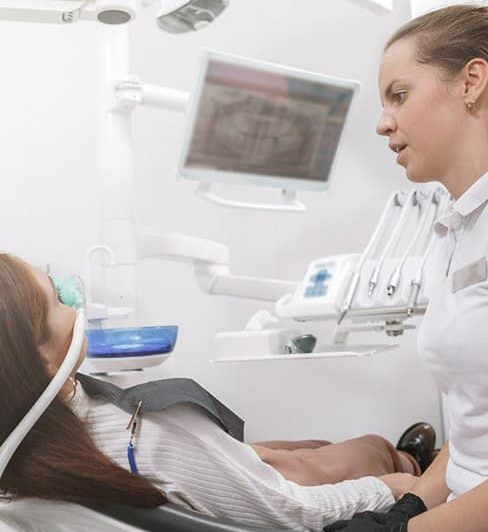
IV dental sedation, often called twilight sleep, is sedation delivered through a small IV line in your arm that leaves you deeply relaxed while you stay conscious and able to respond to the dentist.
It is the most powerful form of sedation dentistry, designed to produce a deeper level of relaxation than nitrous oxide or oral conscious sedation. A small needle placed in the arm delivers the sedative directly into the bloodstream, so the effects take hold right away and we can adjust your level of sedation at any point. Within minutes you’ll enter a dreamlike state, and while you’ll remain conscious, many patients feel as though they’ve slept through their entire appointment.
The name is a little misleading, because IV sedation is not general anesthesia. You are not fully unconscious, but the medication affects memory, which is why most patients remember little or none of the appointment and often feel they slept through it.
At Roman Dental in West Houston, TX, IV sedation is the option worth discussing when fear is stronger than nitrous oxide or a pill can manage, when treatment will run long, or when the work is surgical, such as impacted wisdom teeth.
Because the medication enters through a vein, the calm begins within minutes, unlike an oral sedative taken about 30 minutes before the visit.
Your level of sedation can be raised or lowered as treatment goes on, so a long appointment doesn’t outlast the medication.
Most patients remember very little of the appointment, which helps when fear comes from past dental experiences.
The dose is matched to you and monitored throughout, so your level of calm doesn’t depend on how a pill happens to absorb.
IV sedation is the option to discuss when nitrous oxide or oral sedation hasn’t been enough to get you through treatment.
IV sedation can be used for general dentistry procedures at Roman Dental in West Houston, TX, and it tends to matter most for treatment that is surgical, lengthy, or hard to sit through awake. Here is where it makes the biggest difference:
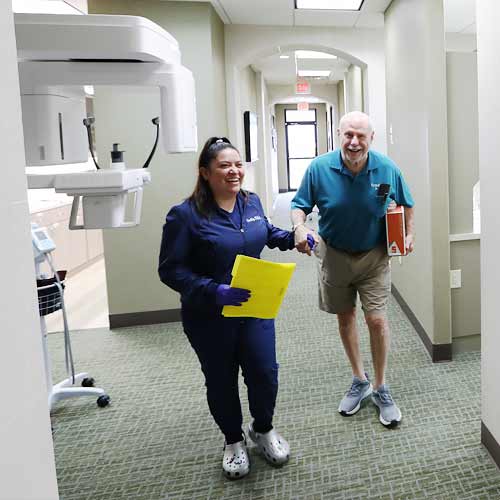
Impacted wisdom teeth often have to be removed in sections, and the pressure and sound of that is hard to sit through awake. IV sedation lets you get through it with little memory of the appointment, and Dr. Kotlarek performs surgical wisdom tooth extractions in our office, so you don’t need a referral to another practice.
A tooth that is infected, broken at the gumline, or beyond saving often gets postponed because the tooth extraction is the part patients dread. IV sedation takes the dread out of the appointment, and a local anesthetic numbs the area as well.
Placing a dental implant means working in the jawbone, and the appointment can run long, especially when more than one implant is placed. IV sedation keeps you comfortable for the whole visit, and we place implants from start to finish in the same office.
Patients often arrive for a root canal already in pain and already anxious. IV sedation keeps you calm through the full appointment while a local anesthetic numbs the tooth.
Long appointments are hard on anyone who is anxious, sore in the jaw, or prone to gagging. IV sedation makes it easier to stay relaxed through extended treatment and helps with a sensitive gag reflex.
A good candidate for IV dental sedation is someone whose anxiety, gag reflex, or treatment plan makes dental care hard to get through awake, and whose health history supports a deeper level of sedation. You may be a good fit if you:
IV sedation isn’t the right fit for everyone. Some medications and medical conditions, such as sleep apnea, can make a lighter option or a modified plan the safer choice. Dr. Kotlarek reviews your full health history at your consultation before recommending IV sedation.
If it isn’t the best match, nitrous oxide or oral conscious sedation may still help you through treatment comfortably at our West Houston office.
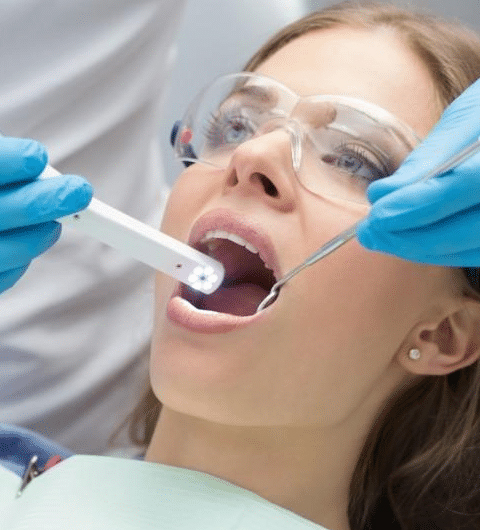
IV sedation is different from oral conscious sedation because its level can be adjusted at any point during treatment. With oral conscious sedation, the dose is set once you take the pill. IV sedation also starts working within minutes, while a pill needs about 30 minutes. That makes IV the usual choice for surgical work, long appointments, and severe fear, and oral sedation a good fit for moderate anxiety or patients who would rather avoid a needle. The differences between IV and oral sedation go beyond timing, and they’re worth weighing before your visit.
You prepare for IV sedation by not eating or drinking for 8 hours beforehand, wearing a top with sleeves that roll up easily, and arranging an adult to drive you home. Tell us about every medication and supplement you take, and ask whether to take your usual morning doses. Our team confirms your instructions when you book, and this checklist for the day before and the day of IV sedation covers each step in order.
The IV needle doesn’t hurt much. Most patients feel a quick pinch, similar to having blood drawn. The needle only guides a thin, flexible tube into place, so nothing sharp stays in your arm during treatment. The sedative starts working within minutes, and your local anesthetic is given once you’re already relaxed.
Yes, you’ll be able to respond during IV sedation. You stay conscious and can follow simple instructions, such as opening wider or turning your head. That’s what separates it from general anesthesia. Even so, most patients remember little of the conversation afterward.
You can go back to work the day after IV sedation in most cases. Plan to rest at home for the remainder of the day, since grogginess can last several hours. After surgical treatment such as wisdom tooth removal or dental implant placement, an extra day or two off may help. That’s for healing from the procedure, not from the sedation.
Yes, you can eat after IV sedation once you’re home and the numbness has worn off. Start with soft foods and fluids, because some patients feel queasy as the sedation fades. After a tooth extraction or implant surgery, your aftercare instructions will list the foods to avoid while the area heals.
14535 Memorial Dr, Houston, TX 77079
Monday - Thursday: 8am - 5pm
Friday: 8am - 2pm