
A tooth cracked below the gumline, decayed past the point of repair, or crowding the teeth beside it is a tooth worth removing before the damage reaches the bone. Roman Dental performs simple and surgical extractions in West Houston, TX, with nitrous oxide, oral sedation, or IV sedation for any appointment.






A tooth extraction is the removal of a tooth from its socket in the jawbone, done either as a simple extraction under local anesthetic or as a surgical extraction when the tooth cannot be lifted out whole. We perform both at our West Houston office, with sedation available for either one.
We try to save a tooth before we remove one. A root canal treated tooth usually stays in place long term, so we test the nerve and take an X-ray before recommending extraction. We take a tooth out when the fracture reaches the root, decay has gone past the point of sealing, or gum disease has taken the bone that held it, and we plan the replacement at the same visit.
Roman Dental has removed and replaced teeth in West Houston since 1999, and everything an extraction needs sits in one building: the X-rays, the sedation, the procedure itself, and the implant or denture that follows. Three things matter most to the patients who come to us for a tooth removal.
EXCELLENTTrustindex verifies that the original source of the review is Google. Doc is Rock star. Cool Calm Confident Quick. I was so happy he made my front chipped tooth PERFECT. Thank You!Posted on GoogleTrustindex verifies that the original source of the review is Google. I love this dentists office. The ladies working in the office are very curious and so very very nice. The doc is a hoot and he gives it to you straight. I feel comfortable and at ease with them.Posted on GoogleTrustindex verifies that the original source of the review is Google. Excellent dental care. Very attentive staff. Amazing dentist.Posted on GoogleTrustindex verifies that the original source of the review is Google. I recently made the decision to switch dental offices to Roman Dental and I do not regret it. Rebecca the hygienist who treated me was great, very thorough and friendly. The doctor took his time to do his exam and explain everything.Posted on GoogleTrustindex verifies that the original source of the review is Google. I have been a patient of Dr. Kotlarek for many years and I am always very satisfied with the procedures. Danielle EilenderPosted on GoogleTrustindex verifies that the original source of the review is Google. This is the best dental clinic. The doctor and his staff are amazing and professional. I would not go anywhere else!! I have been a patient for many years!Posted on GoogleTrustindex verifies that the original source of the review is Google. Love the entire staff, kind gentle and always a pleasure visiting them. They even watched my son while I was being worked on. Thank you all
You would need a tooth extraction when the tooth can no longer be restored, or when leaving it in place threatens the teeth and bone around it. Four situations account for most of the extractions we do:
We perform five types of tooth extraction at our West Houston office, from a single visible tooth lifted out whole to an impacted molar that has to be sectioned under IV sedation. Which one you need depends on how the tooth sits in the bone, not on how much it hurts.
A simple extraction removes a tooth that is fully visible above the gumline. We numb the area with local anesthetic, add sedation if you want it, loosen the tooth, and lift it out whole. Most simple extractions close on their own without sutures and are the easier of the two to recover from.
A surgical extraction is used when the tooth is broken at the gumline, has curved roots, or sits under gum tissue or bone. We open the gum to reach the tooth, divide it into sections if it will not come out whole, and close the site with sutures.
Wisdom teeth are the most common surgical extraction we perform, and impacted ones usually have to be sectioned to come out.
When an implant is planned, we can place a bone graft in the socket during the same appointment. That preserves the ridge width the implant needs, which is harder to rebuild once the socket has healed flat.
When several teeth have to come out before a full or implant-supported denture, we plan the extractions and the denture together rather than treating them as two separate courses of care.
Every extraction we do can be done under sedation, from a single simple removal to a full-mouth clearance before dentures.
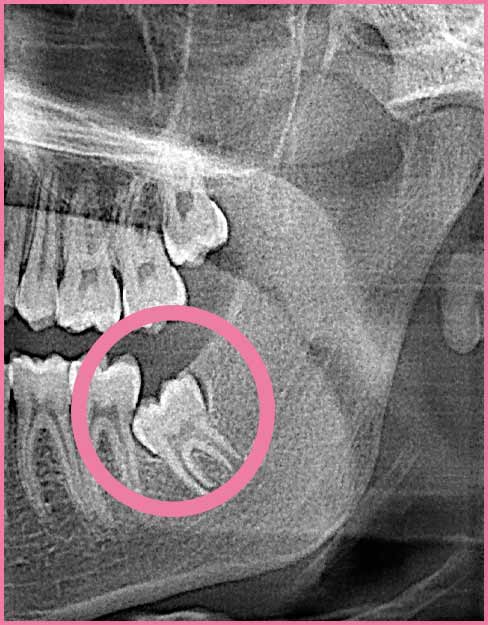
During a tooth extraction we numb the area, loosen the tooth from the socket, remove it, and close the site, all in a single appointment for most teeth. Here is how the visit runs at our West Houston office:
You will feel pressure during the removal but not pain, since the area is fully numb before anything begins.
The benefit of removing a damaged tooth is that it ends the problem instead of managing it, since the infection, the pressure, and the pain all originate in the tooth itself. Patients who have an extraction at our West Houston office get five things out of it:
Extraction does leave a gap, and the bone under that gap begins to change within the first year. That is why we plan the replacement at the same time rather than treating it as a separate decision later.
We will tell you at the consultation whether your tooth can still be saved. If it cannot, Roman Dental handles the extraction and the replacement in one office, with sedation available for every appointment.

You recover from a tooth extraction by protecting the blood clot in the socket, and most of the risk sits in the first 24 to 48 hours. The same six habits apply to simple and surgical extractions:
Call us at (281) 920-4200 if the bleeding has not slowed after a few hours, if the pain is worse on day three than day one, or if you develop a fever.
A tooth extraction costs less for a simple removal than for a surgical one. Nationally, a simple extraction averages $177 per tooth and a surgical extraction averages $363, with sedation adding around $349. The final figure depends on which tooth it is, whether the extraction is simple or surgical, the sedation used, and what the patient’s plan covers.
Dental insurance usually covers tooth extractions, treating a simple extraction as a basic procedure and a surgical extraction as a major one. Most plans cover 80% of basic treatment and 50% of more invasive procedures once the deductible is met. Roman Dental is in-network with most major PPO plans, including Ameritas, Assurant, Humana, Principal, United Concordia, and United Health Care.
Getting a tooth pulled does not hurt, because the tooth and the gum around it are fully numb before the extraction begins. You feel pressure while the tooth is loosened, then soreness for a few days that pain relievers handle. Nitrous oxide is available for patients who find the injection itself the difficult part.
Recovery from a tooth extraction takes a few days for a simple removal and closer to a week for a surgical one, with the gum closing over the site in two to three weeks. Bone fills in the socket gradually over several months underneath. Simple extractions heal faster because less tissue is disturbed.
Dry socket is what happens when the blood clot over the extraction site is dislodged before the tissue heals, leaving the bone exposed, and the risk is highest in the first three to five days. Avoid it by skipping straws, smoking, and vigorous rinsing during that window. If it does happen, a medicated dressing placed over the socket relieves the pain quickly.
A tooth can often be pulled and the replacement started the same day, either by placing a bone graft in the socket to prepare it for a dental implant or by fitting a temporary so there is no visible gap. Whether the implant itself goes in immediately depends on how much healthy bone surrounds the socket, which is assessed on the X-ray beforehand.
Whether you are awake or sedated for an extraction depends on the complexity and your own comfort. One straightforward extraction is comfortable with local anesthetic alone. For impacted teeth, several extractions in one visit, or significant dental anxiety, IV sedation means little of the procedure is remembered. Roman Dental offers all three options in West Houston.
Address:
14535 Memorial Dr, Houston, TX 77079
Phone Number:
(281) 920-4200
Email:
info@romandental.com
Monday - Thursday: 8am - 5pm
Friday: 8am - 2pm
Address:
14535 Memorial Dr, Houston, TX 77079
Phone Number:
(281) 920-4200
Email:
info@romandental.com

Monday - Thursday: 8am - 5pm
Friday: 8am - 2pm
14535 Memorial Dr, Houston, TX 77079
Monday - Thursday: 8am - 5pm
Friday: 8am - 2pm