
Sedation dentistry uses oral, inhaled and intravenous medications to deliver calm and comfort during dental care. Therefore, discomfort doesn’t stand between you and the healthy teeth we all deserve. At Roman Dental you have optional methods of sedation. Depending upon the type of sedation chosen, you may remain awake and responsive, but relaxed, “chill” and in a state of comfort where time is altered. Appointments seem to be completed in minutes rather than hours. Uniquely, Roman Dental, in Houston, Texas provides I V sedation for patients that desire a completely relaxed memory-free experience.
Dental anxiety is more common than most people realize. According to Cleveland Clinic, about 36 percent of people in the United States have a fear of dental treatment, 12 percent have an extreme fear, and roughly 3 percent avoid the dentist entirely because of it. That avoidance leads to bigger problems down the road: cavities that become infections, gum disease that worsens over time, and necessary work that becomes more complex and costly. Sedation dentistry exists specifically to break that cycle.
In this post, I will walk you through how sedation dentistry works, what your options are here at Roman Dental, who it’s a good fit for, and what you can expect at your appointment.
Key Takeaways
- Sedation dentistry uses medication to create calm during treatment. Sedation is safely monitored.
- Methods of sedation deliver different results from mild relaxation to a memory-free visit that feels like an afternoon nap.
- If you represent the 36 percent of U.S. adults that have dental care anxiety, it can be resolved with dental office sedation.
- Three main types are available: nitrous oxide, oral conscious sedation, and IV sedation, each suited to a different level of anxiety or procedure length.
- Good candidates include people with anxiety, a gag reflex, low pain tolerance, difficulty sitting still, or complex treatment needs.
- Sedation is monitored closely for safety, and oral or IV sedation requires a six hour meal fast and a trusted adult to drive you home and stay with you afterward.
How Sedation Dentistry Works
Sedation dentistry works by using medication to lower the body’s stress response before and during dental treatment, making it possible to complete care that anxiety or sensitivity would otherwise prevent. The medication doesn’t knock you out. Instead, it creates a relaxed, often drowsy state where sounds feel distant, time passes quickly, and most patients remember little to nothing about the procedure afterward.
This matters because dental anxiety isn’t just an emotional experience. It shows up physically too: tense muscles, heightened sensitivity to touch, a hair-trigger gag reflex, and an inability to sit still for longer appointments. I see this daily in patients who’ve put off care for years, and sedation addresses all of it in one visit.
Types of Sedation Dentistry Available at Roman Dental
Not every patient needs the same level of sedation. Here is a breakdown of the three types I offer, from lightest to deepest.
Nitrous Oxide (Laughing Gas)
Nitrous oxide is the lightest form of sedation and the most common choice for mild anxiety and routine procedures. You breathe it in through a small mask over your nose, and within a few minutes you feel calm and relaxed. Once the mask comes off, the effects wear off quickly, usually within minutes, so you can drive yourself home after your appointment.
Oral Conscious Sedation
Oral sedation involves taking a prescribed pill, typically a benzodiazepine like triazolam, about an hour before your appointment. By the time you’re in the chair, you’re deeply relaxed and often drift in and out of a light sleep, though you can still respond to questions. Most patients have little to no memory of the procedure. Because the effects last several hours, you’ll need someone to drive you home.
IV Sedation
IV sedation delivers medication directly into the bloodstream, which lets me adjust the level of sedation in real time based on how you’re responding. It produces the deepest level of conscious sedation and works best for patients with severe anxiety, a strong gag reflex, or longer, more complex procedures completed in a single visit. A driver is required, and you’ll want to clear your schedule for the rest of the day.
| Type | Anxiety Level | Memory of Procedure | Can Drive After? | Best For |
| Nitrous Oxide | Mild | Full | Yes | Routine cleanings, minor work |
| Oral Sedation | Moderate | Little to none | No | Multiple procedures, moderate fear |
| IV Sedation | Severe | None | No | Complex work, strong gag reflex, severe anxiety |
This table is a general guide. Every patient is different, and I’ll base your final sedation plan on your health history, the procedures involved, and what you feel most comfortable with.
Which Dental Procedures Typically Call for Sedation?
The answer to this question varies from person to person. If you experience anxiety, have a sensitive gag reflex or have had past difficulty getting comfortably numb with local anesthetics, then sedation is an excellent option for you. Roman Dental is a unique office in that here in our West Houston office, any general dental procedure can be accomplished with sedation.
Typically sedation is offered for procedures that involve longer chair time, more discomfort, or work close to nerves and bone: the kind of appointment where local anesthesia alone can feel like a lot to sit through. In my practice, the procedures that most often call for it include:
- Wisdom tooth extraction: Impacted or partially erupted wisdom teeth often require cutting into gum tissue or bone, which makes IV or oral sedation a common pairing with this procedure.
- Tooth extractions (single or multiple): A single simple extraction may only need local anesthesia, but multiple extractions in one visit, or a tooth that’s broken below the gumline, usually call for sedation to keep the appointment manageable.
- Dental implant placement: Placing an implant involves working directly in the jawbone. Most patients choose oral or IV sedation to stay relaxed through the procedure.
- Root canal therapy: Root canals have a reputation for being uncomfortable, and sedation helps patients who feel anxious about the length of the appointment or the sound of the instruments.
- Gum (periodontal) surgery: Procedures like gum grafting or pocket reduction involve working along the gumline for an extended period, where sedation keeps patients still and comfortable.
- Full-mouth or multi-visit restorative work: Sedation makes it easier to tolerate longer appointments, which is useful when you’re addressing several problem areas at once instead of spacing them across many short visits.
Not every patient having one of these procedures needs sedation, and not every candidate for sedation is having major surgery. The right call comes down to your anxiety level, your tolerance for dental care, and the specifics of the procedure, which is exactly what the next section covers. In all cases, Dr. Roman Kotlarek can help. With a gentle touch and the benefits of effective sedative medications, dental treatment can be comfortably accomplished here in Houston.
Who Is a Good Candidate for Sedation Dentistry
Sedation dentistry fits anyone whose anxiety, sensitivity, or physical challenges make dental treatment genuinely difficult, and it goes well beyond being nervous about needles. Many of our patients have put off care for years, not because they don’t care about their teeth, but because of a past experience or the awkwardness of locating a trusted dental office.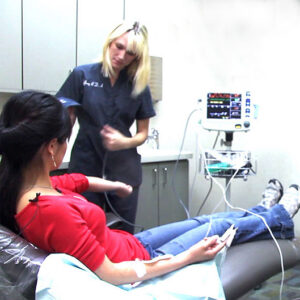 .
.
You may be a good candidate if any of these apply to you:
- Dental phobia or high anxiety: If just making the appointment causes physical dread, sedation can make the difference between getting care and continuing to avoid it.
- Strong gag reflex: A sensitive gag reflex can make even simple procedures feel impossible. Sedation significantly reduces this response and makes the appointment far more comfortable.
- Sensitive teeth or low pain tolerance: Some patients feel everything more intensely despite local anesthesia. Sedation adds a layer of calm that helps the numbing work better and last more comfortably.
- Difficulty sitting still: A physical condition, chronic pain, or simply not being able to hold one position for long can make a dental chair hard to tolerate. Sedation helps your body relax enough to get through longer appointments.
- A backlog of care to catch up on: If you’ve avoided the dentist for years and need multiple procedures, sedation lets me do more in fewer visits, so you’re not making five separate trips to get caught up.
What to Expect Before, During, and After Your Appointment
Knowing what the process looks like from start to finish takes a lot of the uncertainty out of it, which is often half the battle for anxious patients.
- Before your appointment, I review your full health history and any medications you’re taking to confirm sedation is safe for you. Depending on the type of sedation, you may be asked to avoid food and drink for several hours beforehand, and I’ll walk you through everything specific to your plan so there are no surprises.
- During your appointment, once the sedation takes effect, most patients describe feeling pleasantly detached from what’s happening around them. Time moves quickly, and many patients are surprised at how fast the appointment seems to go. Local anesthesia is still used alongside sedation, so you won’t feel pain.
- After your appointment, if you received oral or IV sedation, plan for a quiet rest of the day. You may feel groggy, have some light nausea, or simply feel tired; these effects are temporary.
Is Sedation Dentistry Safe?
Sedation dentistry is safe when a trained, licensed provider administers it and follows proper monitoring protocols throughout the procedure. I monitor your oxygen levels, heart rate, and overall comfort the entire time you’re sedated. There are no shortcuts on that part of the process.
Before any sedation, I run a thorough health screening. Certain medications, medical conditions, or allergies may affect which type of sedation is appropriate for you, and I factor all of that in. Bring any questions or concerns about a specific condition to your consultation; safety questions are worth asking, however small they seem.
Getting the Care You’ve Been Putting Off
Fear, anxiety, or a bad past experience shouldn’t be the reason you skip the dental care you need. Nitrous oxide can take the edge off a routine cleaning, oral or IV sedation can get you through more involved or overdue work, and the right option depends on your history and what you’re having done. Between the three, most patients find a level of sedation that makes the appointment manageable, and often more comfortable than they expected.
Schedule Your Consultation at Roman Dental
If dental anxiety has kept you from the care you need, I’d like to talk with you about it. Call Roman Dental at (281) 920-4200 or schedule your consultation through our website, and I’ll go over your health history and your options together to build a sedation plan that fits you. I offer all three levels of sedation in-house, so most patients can complete their consultation and treatment planning in a single visit.
Frequently Asked Questions
What is sedation dentistry and how is it different from general anesthesia?
Sedation dentistry uses medication to calm your nerves and help you relax during dental treatment, but you remain conscious and able to respond. General anesthesia renders you completely unconscious and is typically used in surgical settings. With sedation dentistry, you’re in a relaxed, aware state rather than fully asleep.
Is sedation dentistry available for routine cleanings or just major procedures?
Sedation dentistry is available for routine cleanings, not just complex procedures. If a regular cleaning causes you significant anxiety, nitrous oxide can make it much more manageable. You don’t need to be having major work done to benefit from sedation.
How long does sedation dentistry last?
How long sedation dentistry lasts depends on the type used. Nitrous oxide wears off within minutes of removing the mask. Oral sedation can leave you feeling drowsy for several hours after your appointment. IV sedation also clears within a few hours, though everyone metabolizes medication at a different rate.
Will I feel any pain during sedation dentistry?
You won’t feel pain during sedation dentistry, because local anesthesia is always used alongside the sedation medication to numb the area being treated. The sedation handles your anxiety and relaxes your body, while the local anesthetic handles pain at the treatment site. The two work together.
Is sedation dentistry covered by insurance?
Coverage for sedation dentistry varies by plan, but insurers are generally more likely to cover it when it’s medically necessary, such as for documented dental phobia or a disability that makes treatment difficult without it. Sedation requested purely for comfort on a routine visit is less likely to be covered. I can help you check your specific benefits before your appointment.
How do I know which type of sedation is right for me?
Figuring out which type of sedation is right for you starts with a consultation where I review your health history, anxiety level, and the procedures you need. From there, I recommend the option that fits your situation. There’s no one-size-fits-all answer, and I’d rather take the time to get it right than guess.
Can I eat or drink before a sedation dentistry appointment?
Whether you can eat or drink before your appointment depends on the type of sedation used. Nitrous oxide typically has no food restrictions. Oral and IV sedation usually require fasting for at least six hours beforehand. I’ll give you specific pre-appointment instructions based on your sedation plan, so you’re fully prepared.