
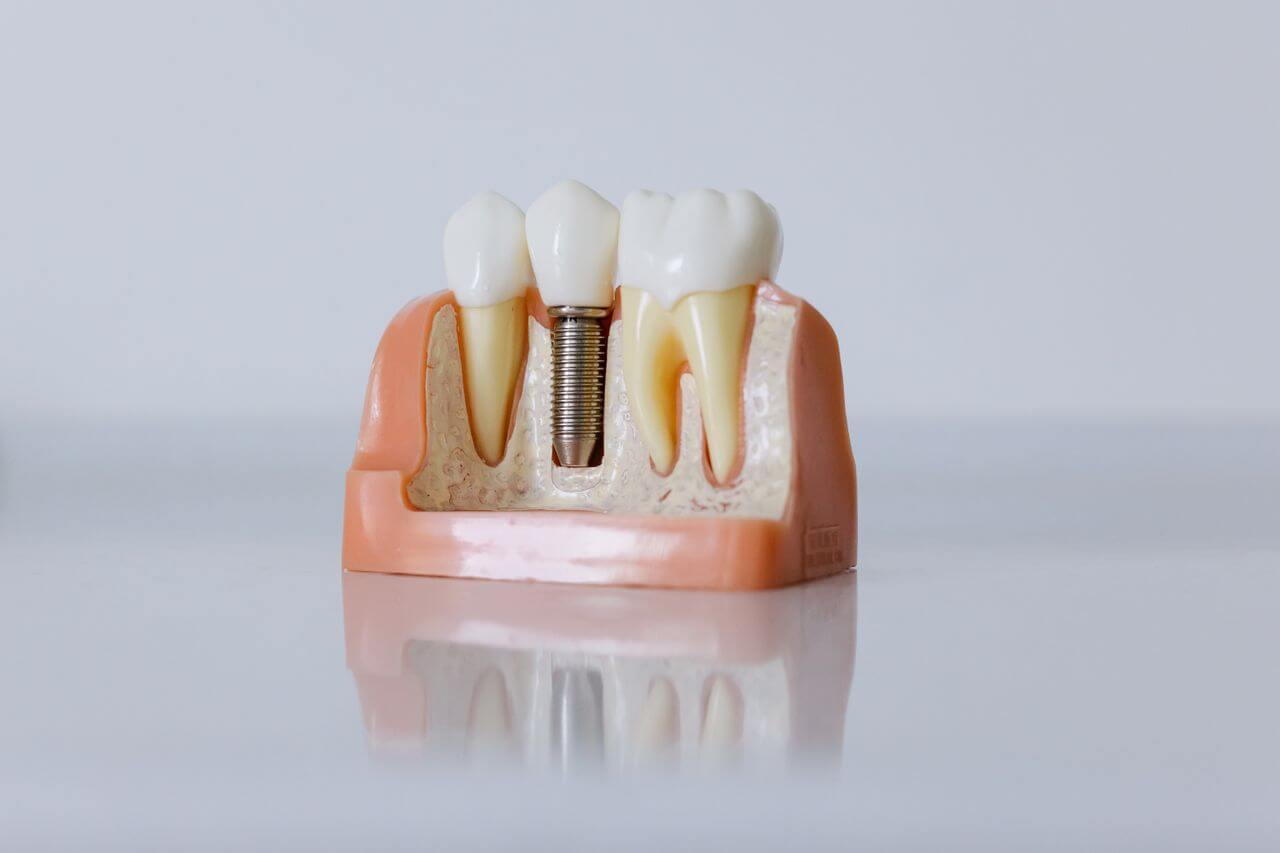
A single dental implant in West Houston typically costs between $3,000 and $5,000 out of pocket when you have no insurance coverage. That range covers the implant post, abutment, and crown as a complete unit. Depending on your specific situation, additional procedures like bone grafting or tooth extraction can bring the total higher, but there are real financing paths that make this manageable for most budgets.
For many people I see from the Energy Corridor, Katy, and Memorial, a missing tooth feels like something they have to live with because of cost. That’s understandable, but waiting usually costs more. A prospective study on tooth extraction found that the jawbone undergoes major changes within the first year after a tooth is removed, which can mean a bone graft is needed before an implant is even possible. Acting sooner tends to be the cheaper path.
This post walks you through what actually drives the cost of a dental implant, how to pay for one without insurance, and what the process looks like at a practice like Roman Dental here in West Houston.
Key Takeaways
- A single implant without insurance runs $3,000–$5,000, including the post, abutment, and crown.
- Bone grafting or an extraction, if you need one, is priced separately and adds to the total.
- CareCredit is the most common way my patients spread the cost, with 6- or 12-month plans.
- HSA and FSA funds can be used, which pays with pre-tax dollars.
- The only way to get an exact number is a consultation where I examine your mouth and review your options.
What Goes Into the Cost of a Dental Implant?
The cost of a dental implant is not one flat fee. It covers several parts, billed separately or bundled, and the honest answer to “how much is a dental implant without insurance” means breaking the procedure into those parts.
Here is what you are typically paying for:
- The implant post: the titanium screw placed into your jawbone. It acts as the root of your new tooth and is the foundation for everything else.
- The abutment: the connector that sits above the gumline and links the post to the crown. I place it after the post has fused with the bone.
- The crown: the visible tooth, custom-made to match the shape and shade of your other teeth. I work with master ceramists so it blends in.
- Imaging and consultation: 3D cone beam scans and X-rays I use to plan placement precisely.
- Added procedures: if you have bone loss or a tooth that needs removing, a graft or extraction adds to the total before implant work begins.
I review all of this with you at your consultation before any numbers are final, so you leave knowing exactly what your plan includes and what it costs.
What Does a Dental Implant Cost in West Houston?
A single implant in West Houston typically falls in the $3,000–$5,000 range, but your total depends on how many teeth you’re replacing, your jawbone condition, and the crown materials. The table below gives general ranges for common implant-related procedures without insurance.
These are estimated ranges for the greater Houston market, not a guaranteed quote for your case:
| Procedure | Estimated Cost Range |
| Single implant (post, abutment, crown) | $3,000–$5,000 |
| Bone graft (if needed) | $300–$3,000 |
| Tooth extraction (if needed) | $150–$400 |
| Cone beam CT scan | $150–$500 |
| Full-mouth implants (multiple) | $25,000–$50,000+ |
The only way to get an accurate number for your situation is a consultation. If you’re replacing several teeth or a full arch, see the full breakdown in how much dental implants cost in Houston, from a single tooth to full mouth.
How Can I Pay for a Dental Implant Without Insurance?
Most of my West Houston patients don’t pay the full cost upfront. They use financing to spread it over time, and two paths cover most situations.
CareCredit financing
CareCredit is the financing I offer in my office. Once you’re approved, often the same day, you choose a 6- or 12-month payment plan to fit your monthly budget, and short-term plans typically carry no interest when paid in full within the promotional window. You can apply for CareCredit here before treatment so you don’t have to delay care.
HSA and FSA funds
If you have a health savings account or flexible spending account through your employer, dental implants are generally a qualified expense. That lets you pay with pre-tax dollars, which lowers your real cost by whatever your tax rate is. It’s one of the most overlooked ways to save on an implant.
To make the numbers concrete, here’s what a $4,000 implant looks like on each CareCredit plan:
| CareCredit plan | Approx. monthly payment on a $4,000 implant |
| 6-month plan | about $667/month |
| 12-month plan | about $333/month |
Why Are Dental Implants Worth the Cost?
Dental implants are worth the cost because they’re the only tooth replacement that preserves the jawbone, a long-term benefit dentures and bridges don’t offer. Beyond that, implants work like natural teeth. You brush them, floss them, and eat with them normally. They don’t slip, need adhesives, or come out at night.
They also tend to outlast the alternatives. A systematic review of implants followed for at least 10 years reported a cumulative survival rate of 94.6%, and a well-maintained implant can last decades. A bridge or partial denture often needs replacing every 7 to 15 years, so the long-term cost of an implant frequently compares well to options that look cheaper upfront.
To weigh all three side by side, see dental implant vs. bridge vs. denture. For patients across West Houston, my job is to help you see that full picture, not just the sticker price.
What Happens at Your Implant Consultation?
Your first visit is a consultation where I review your oral health, take any imaging I need, and build a treatment plan specific to you. You’ll leave knowing the exact procedures, the timeline, and the total cost before anything is scheduled.
If bone loss is a concern, I’ll walk you through whether a graft is needed and how it affects the plan. If dental anxiety is on your mind, we talk about that here too, so the process feels comfortable from the start.
Because I handle the full four-step implant process in-office as a Fellow of the International Congress of Oral Implantologists, you stay with the same team from consultation through your final crown.
If you’re comparing providers, here’s how to choose an implant dentist or oral surgeon in West Houston.
Your Next Step Toward a Complete Smile
If you’ve been putting off replacing a missing tooth because of cost, you now have a clear picture of what a single implant runs without insurance in West Houston and how to pay for it. The price is real, but with CareCredit or HSA and FSA dollars, it’s workable for most budgets.
If you’re weighing your options, you can see how I handle the full dental implant process start to finish in my office, then compare it with the other ways to replace missing teeth, including bridges and dentures.
Schedule Your Consultation
At Roman Dental, I make it a priority to help you find a path to treatment that fits your life, whether that’s walking through CareCredit, using an HSA, or explaining every line of your treatment plan.
To get an exact quote for your situation, call my West Houston office at (281) 920-4200 or book online. I offer consultations where you’ll get your full cost and timeline before anything is scheduled.
Frequently Asked Questions
How much is a dental implant without insurance in West Houston?
A single dental implant without insurance in West Houston costs between $3,000 and $5,000, including the post, abutment, and crown. Preparatory work like a bone graft or extraction is priced separately and adds to the total. The only way to get an exact number is a consultation where I review your specific case.
Can I finance a dental implant if I have no insurance?
Yes, you can finance a dental implant without insurance, and it’s what most of my West Houston patients do. I offer CareCredit with 6- or 12-month plans, often with a no-interest promotional period, and many patients also use HSA or FSA funds to pay with pre-tax dollars. I’ll help you find the path that fits your budget.
Does dental insurance cover implants in Texas?
Some dental insurance plans in Texas cover part of an implant, though many still classify implants as major or non-covered work. When there is coverage, it often applies to the crown rather than the post. My team is in-network with major PPO plans like Ameritas and Humana and will file your claim to check exactly what your policy covers before you assume you have none.
How long does the dental implant process take at Roman Dental?
The dental implant process at Roman Dental generally takes three to six months from placing the post to attaching the final crown. Most of that time is healing, since the bone needs to fuse with the titanium post through osseointegration before the crown goes on. If you need a bone graft first, the timeline extends a few months beyond that.
Is a bone graft always required for a dental implant?
A bone graft is not always required for a dental implant. It’s needed when there’s been significant bone loss in the jaw after a tooth was lost. I use 3D imaging at your West Houston consultation to check your bone density and tell you whether grafting is needed before placement.
What happens if I wait and do not replace a missing tooth?
Waiting to replace a missing tooth leads to bone loss in the jaw, shifting of nearby teeth, and bite problems that get more complex and costly to fix over time. The longer the tooth is gone, the more likely you’ll need added procedures, like a graft, before an implant can be placed, which raises your overall cost.
Are dental implants a good option if I am missing multiple teeth in West Houston?
Dental implants are a strong option for multiple missing teeth, but the right approach depends on how many teeth and where they are. For West Houston patients missing several teeth, an implant-supported bridge or implant-retained denture is often more cost-effective than one implant per tooth. I can walk you through the options at your consultation.